

epifaniacoulst
About epifaniacoulst
The Allure and Implications of Owning a Private Jet
In the realm of luxury and exclusivity, few symbols stand as tall as a private jet. For the affluent, owning a private jet is not merely about transportation; it represents a lifestyle, a status symbol, and a significant investment. This observational research article delves into the multifaceted aspects of private jet ownership, exploring the motivations behind it, the practical implications, and the social dynamics it engenders.
To begin with, the allure of private jet ownership is undoubtedly tied to the convenience it offers. For high-net-worth individuals, time is often their most valuable resource. Commercial air travel can be fraught with delays, long security lines, and the unpredictability of flight schedules. If you are you looking for more info in regards to privatejetcardreview.com stop by the web site. In contrast, a private jet allows for flexible scheduling, enabling owners to depart and arrive according to their preferences. Observations of various private jet owners reveal a common sentiment: the ability to travel on their terms significantly enhances their productivity and overall quality of life.
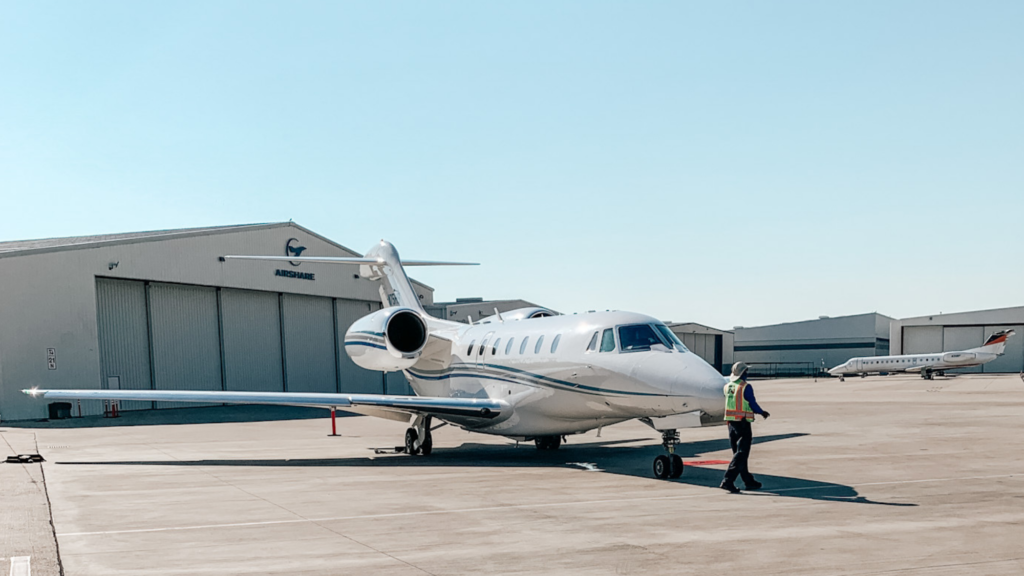
Moreover, private jets provide access to a wider range of destinations. While commercial airlines primarily service major cities, private jets can land at smaller airports, bringing remote locations within reach. This capability is particularly advantageous for business executives who may need to visit multiple locations in a single day or for leisure travelers seeking exclusive vacation spots. Interviews with private jet owners indicate that this access often translates into unique experiences that are not readily available to the average traveler.
However, the decision to purchase a private jet is not solely based on convenience. It is also influenced by the social implications of ownership. In elite social circles, having a private jet can enhance one’s status and open doors to exclusive networks. Observations of social gatherings reveal that private jet ownership often serves as a conversation starter and a point of admiration among peers. The jet becomes a symbol of success, a tangible representation of wealth that can foster connections with other affluent individuals.
Yet, the realities of owning a private jet extend beyond the glamorous image. The financial commitment involved is substantial. The initial purchase price of a private jet can range from a few million to over a hundred million dollars, depending on the model and specifications. Furthermore, the ongoing costs of maintenance, fuel, insurance, and crew salaries can accumulate rapidly. Observations of financial discussions among private jet owners often highlight the importance of budgeting for these expenses, as they can significantly impact overall wealth management.
Additionally, the environmental implications of private jet ownership cannot be overlooked. In an era increasingly focused on sustainability, the carbon footprint associated with private aviation has come under scrutiny. Private jets emit significantly more greenhouse gases per passenger compared to commercial flights. Observations of public sentiment reveal a growing awareness and criticism of the environmental impact of luxury travel. Some private jet owners are beginning to address these concerns by investing in more fuel-efficient models or carbon offset programs, but the debate around the environmental ethics of private aviation remains contentious.
The operational aspects of owning a private jet also present unique challenges. Many owners opt to hire management companies to handle the logistics of their aircraft, including maintenance and scheduling. This decision alleviates some of the burdens associated with ownership but introduces additional costs and complexities. Observations of interactions between private jet owners and management personnel indicate that trust and communication are paramount in ensuring a seamless flying experience. Owners often express a desire for transparency and reliability in these professional relationships.
Moreover, the experience of flying on a private jet is markedly different from that of commercial airlines. The interior of a private jet is often customized to reflect the owner’s personal style, featuring luxurious amenities such as fine dining, spacious seating, and state-of-the-art entertainment systems. Observations of passengers aboard private jets reveal a sense of comfort and exclusivity that is unparalleled. Many owners take pride in showcasing their aircraft to friends and family, turning flights into social events rather than mere travel.
However, the culture surrounding private jet ownership can also foster a sense of isolation. While private jets provide access to exclusive social circles, they can simultaneously create a divide between owners and the general public. Observations of public reactions to private jet sightings often reveal a mix of admiration and resentment. The perception of wealth disparity can lead to negative sentiments towards private jet owners, particularly in times of economic hardship. Owners must navigate this complex social landscape, balancing their desire for privacy and exclusivity with the potential backlash from societal perceptions.
In conclusion, owning a private jet is a multifaceted endeavor that encompasses convenience, social status, financial implications, environmental concerns, operational challenges, and unique flying experiences. The allure of private jet ownership is undeniable, offering a level of freedom and luxury that is difficult to replicate. However, it is essential for prospective owners to consider the broader implications of their investment. As the world grapples with issues of sustainability and social equity, the conversation around private aviation continues to evolve. Observations suggest that the future of private jet ownership may hinge on the ability to adapt to these changing dynamics while still enjoying the unparalleled benefits that come with flying privately.
No listing found.